
Pinhole Gum Rejuvenation vs. Gum Grafting: What's the Difference?
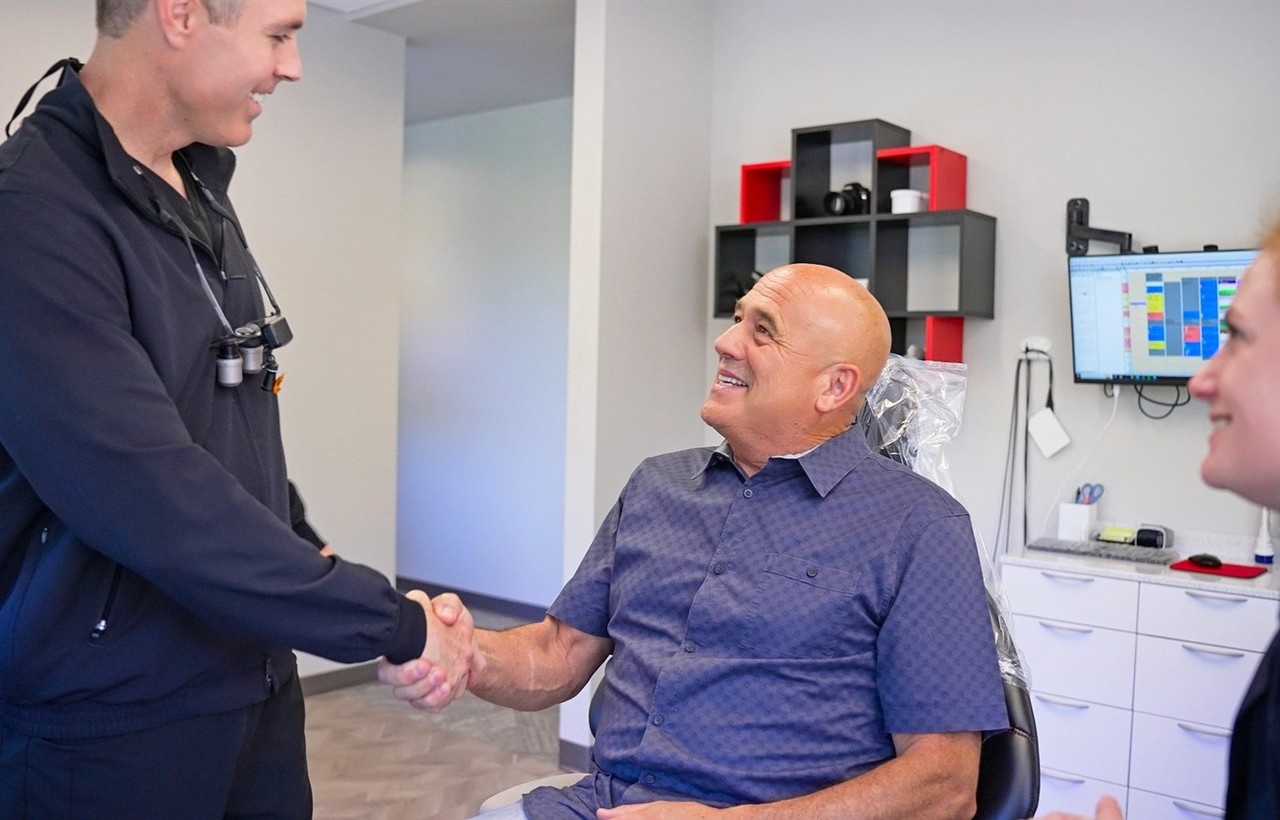
Why Gums Recede in the First Place
Gum recession happens when gum tissue pulls back from the tooth and exposes the root. Cleveland Clinic lists brushing too hard, tartar buildup, gum disease, misaligned teeth and tobacco use among the .
It is also very common with age, affecting about 88% of people over 65 on at least one tooth. Because receding gums can't grow back on their own, treatment focuses on moving or adding tissue to cover the root.
How Traditional Gum Grafting Works
In , tissue is usually taken from the roof of your mouth. The surgeon makes an incision near the receding area, places the graft over the exposed root and stitches it in place.
Grafting has a long track record, and Cleveland Clinic calls it the most predictable option for recession. The tradeoff is a second surgical site on the palate, plus sutures that need time to heal.
The Pinhole Approach, Step by Step
The Pinhole® Surgical Technique skips the donor tissue. A small opening is made in the gum, and special instruments gently loosen and slide the existing tissue down over the exposed root.
There is no cutting of a flap and no stitches. Many patients can have the treatment completed in one session.
Comfort and Recovery Side by Side
After grafting, Cleveland Clinic notes that recovery usually takes one to two weeks. Patients often eat soft foods and avoid brushing near the graft until the surgeon says it is safe.
With the pinhole approach, there is no palate wound to heal. A published case report found the technique may reduce the swelling, bleeding and pain linked to grafting, though it calls for longer studies.
Which Option Fits Your Gums?
The pinhole method isn't right for every case. Researchers note it is less predictable for severe recession, where bone between the teeth has also been lost, so a graft may still be the better choice.
Active gum disease should be treated first, often with a deep cleaning. A careful exam tells you how much tissue is available and how far the gums have pulled back.
Our Conservative Approach to Gum Care
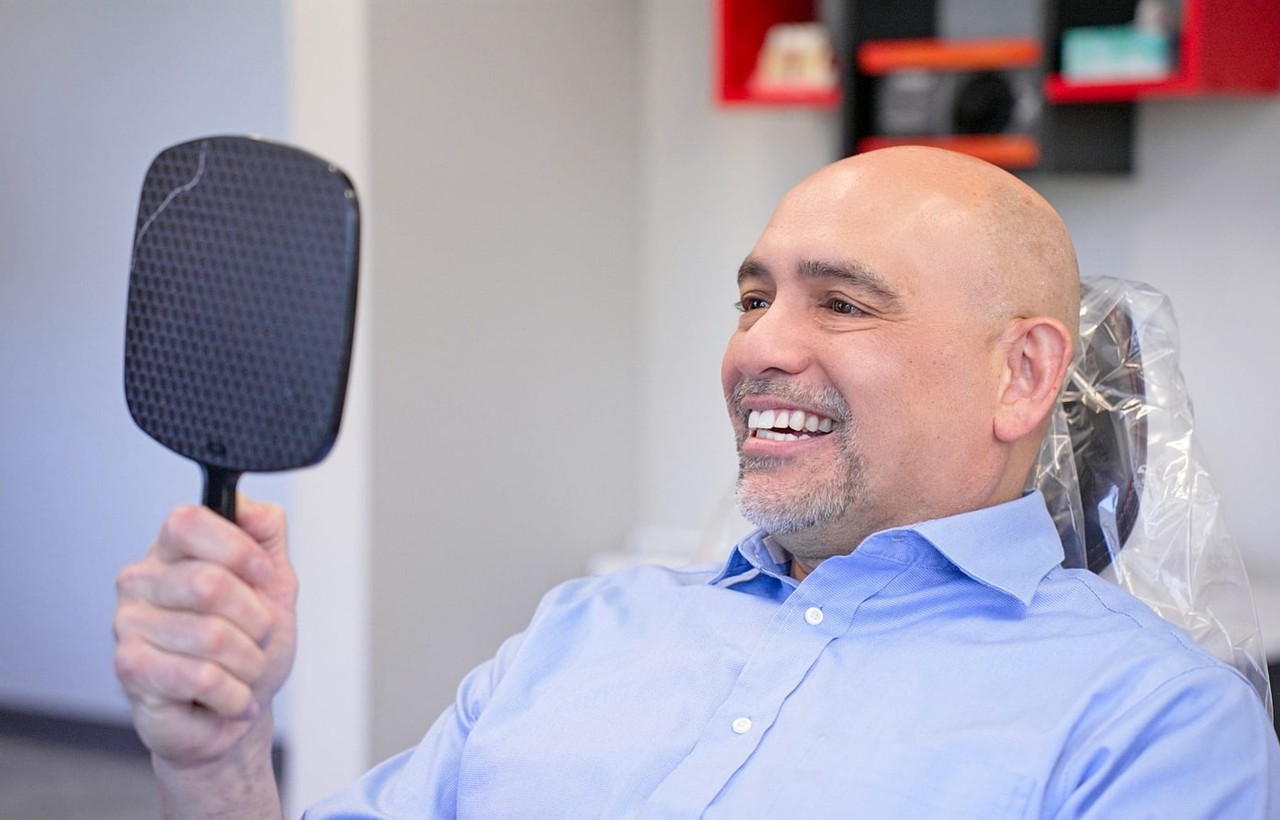
We favor treatments that keep as much healthy tissue as possible, from no-drill composite bonding to choosing a filling over a crown when it will do the job. Pinhole Gum Rejuvenation fits that same thinking for your gum line.
We also look at what may be driving the recession, such as a heavy brushing habit or nighttime clenching. A custom night guard can protect teeth if you grind, and you can see our full range of cosmetic dentistry services.
Frequently Asked Questions
Is the pinhole procedure painful?
Most patients feel little discomfort, because the area is numbed and there are no incisions or stitches to heal afterward. Some tenderness for a short time is normal as the gums settle.
A published case report found the pinhole approach may cause less swelling, bleeding and pain than grafting. Let our team know about any soreness that lingers.
How many visits does Pinhole Gum Rejuvenation take?
Treatment can typically be completed in a single session, which is one reason patients like it. It starts with a consultation so we can check your gum health and confirm you are a good candidate.
If several areas need attention, we will talk through the plan and timing with you before treatment begins at our Bellevue office.
How long do pinhole results last?
With good care, results can last for many years. Daily brushing and flossing, a gentle brushing technique and regular checkups all help keep the repositioned tissue healthy.
The same habits that protect natural gums protect treated ones. If a cause such as hard brushing goes unchanged, the gum line may start to pull back again over time.
Who may need a gum graft instead?
Patients with severe recession, especially where the bone between teeth has been lost, may do better with a traditional graft. Researchers describe the pinhole method as less predictable in those advanced cases.
Gum disease also needs to be under control before any recession treatment. An exam shows which approach gives your gums the best chance of a lasting result.
How can I keep my gums from receding again?
Use a soft-bristled toothbrush and gentle strokes, since brushing too hard is a common cause of recession. Floss every day and avoid smoking or chewing tobacco.
Cleveland Clinic also recommends brushing twice a day and seeing your dentist regularly. Routine visits let us spot early changes in your gum line before they progress.
Talk With Us About Receding Gums
Receding gums don't have to mean a graft from the roof of your mouth. Our dentists in Bellevue, WA can look at your gum line and explain whether Pinhole Gum Rejuvenation suits your smile.
Call Kevin M. Brown DDS today at (425) 454-7690 or request an appointment online.


Leave a comment